Glamping 101: Plan an Epic Outdoor Getaway
Note: Advertising is how we keep this site free for you to enjoy, and we earn a commission from affiliate links that may be included in this post. Thank you for supporting Back Road Ramblers!
Is this the year you stop sleeping on the ground and give glamping a try?
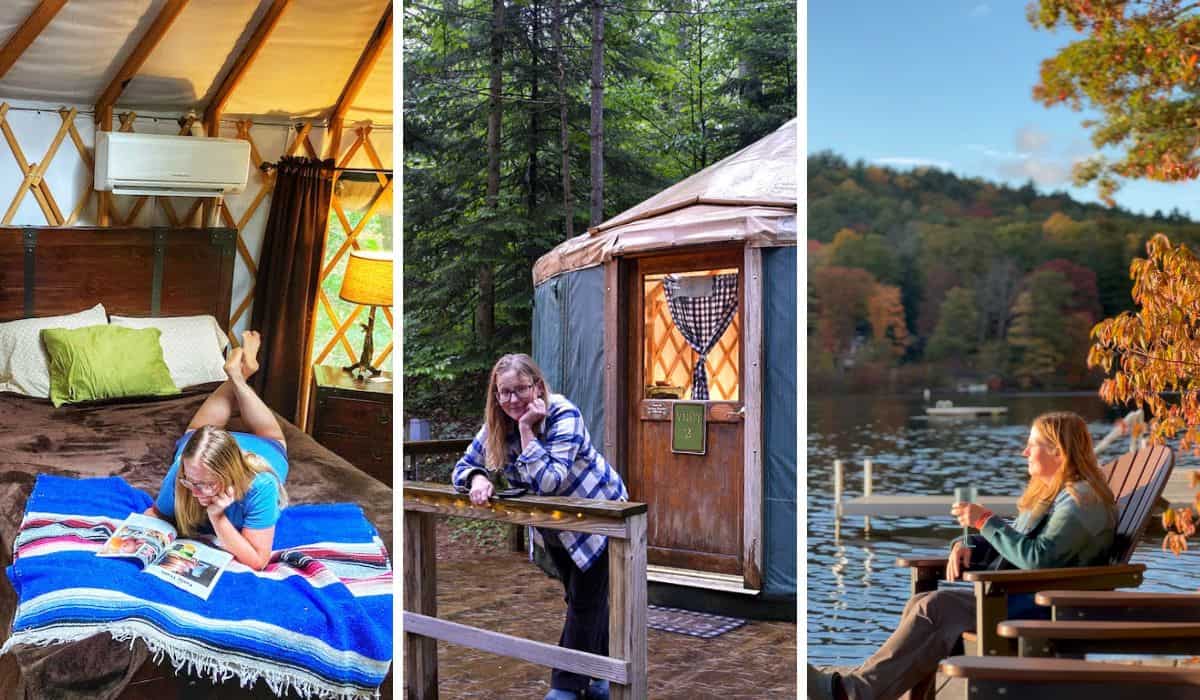
Glamping is quickly becoming one of the most popular ways to enjoy the outdoors. You can spend the day hiking, kayaking, or watching wildlife, and unlike traditional camping, you return to your campsite each night to sleep in a real bed.
While sleeping in a bed with cotton sheets and full-size pillows is my favorite glamping luxury, there are plenty of other little pleasures to get excited about.
With glamping vacations, you don’t need to invest in expensive camping gear, sleep in the dirt, or wonder if your tent will keep you warm and dry.
This is the magic of glamping. It’s the perfect solution for outdoor lovers who prefer some creature comforts.
If you’re still unsure about turning your camping trip into a glamping trip, this glamping 101 guide may convince you.
I went on my first glamping trip in 2016 and have been seeking out new experiences ever since. I’m a self-proclaimed glamping expert, and I’d love to share what I’ve learned with you.
Read on to discover everything you need to know about glamorous camping, including glamping tips and important essentials for making your glamping getaway memorable for all the right reasons.
But First, the Basics: What is Glamping?
Glamping is certainly a modern buzzword, coined in 2005 and added to the Oxford English Dictionary in 2016, but what exactly is glamping?
The term “glamping” is a combination of the words glamour and camping and generally describes lodging that immerses campers in the great outdoors while providing many of the comforts of home.
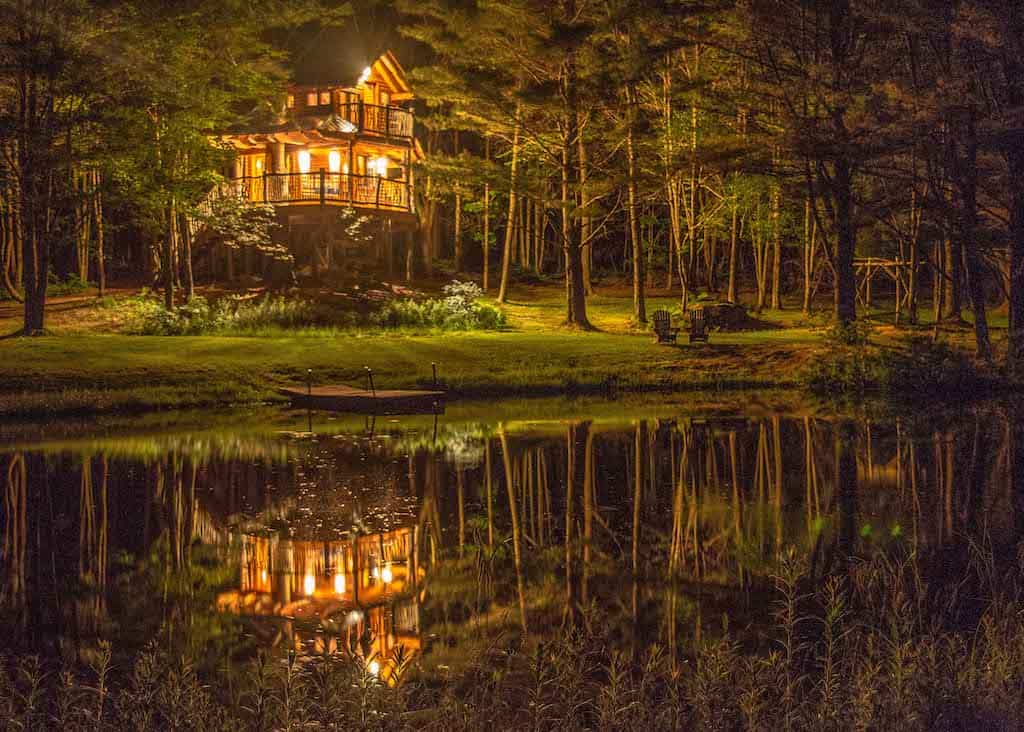
From cozy yurts and tipis to rustic cabins and fancy treehouses with modern amenities, glamping is a new way for outdoor lovers to vacation luxuriously.
Glamping Tips: Choosing Your Glamping Experience
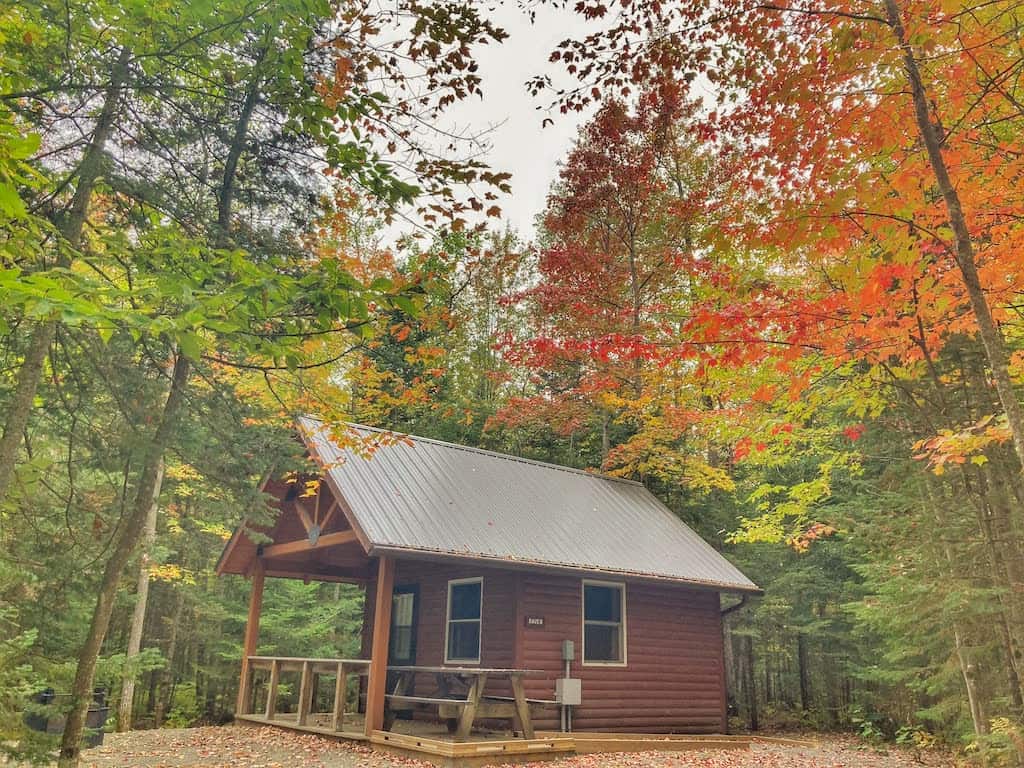
If you’re planning a vacation based on an outdoor experience or adventure, you’ll likely find a glamping location nearby.
Luxury camping is available in America’s national parks, national forests, and on private land, and glamping is growing by leaps and bounds worldwide, from the Caribbean to the plains of Africa.
When searching for that perfect glamping getaway, you’ve got a few options:
- Find public campgrounds with rustic accommodations. For glamping on federal land (national parks, national forests, or BLM land), your best bet is to check recreation.gov and look under ‘camping and lodging.’ You can also visit state park websites to see if the park rents cabins, yurts, or other glamping sites.
- Book a stay at a private glamping resort. There are so many glamping resorts across the USA. We have stayed in yurts at Spacious Skies Campgrounds, in glamping huts at Huttopia, and at various privately run ‘glampgrounds’ on our travels. Glamping resorts are great for novice glampers because they operate like campgrounds, with attendants who can help when needed, and communal campfires make it easy to mingle with other campers. The downside is that privacy can be limited when sites are close together.
- Book a private glamping vacation on a booking site. This is normally how we go glamping. Using various booking sites listed below, we seek out unique lodging opportunities whenever we travel. Most places meet or exceed our expectations, but it’s important to read each listing carefully.
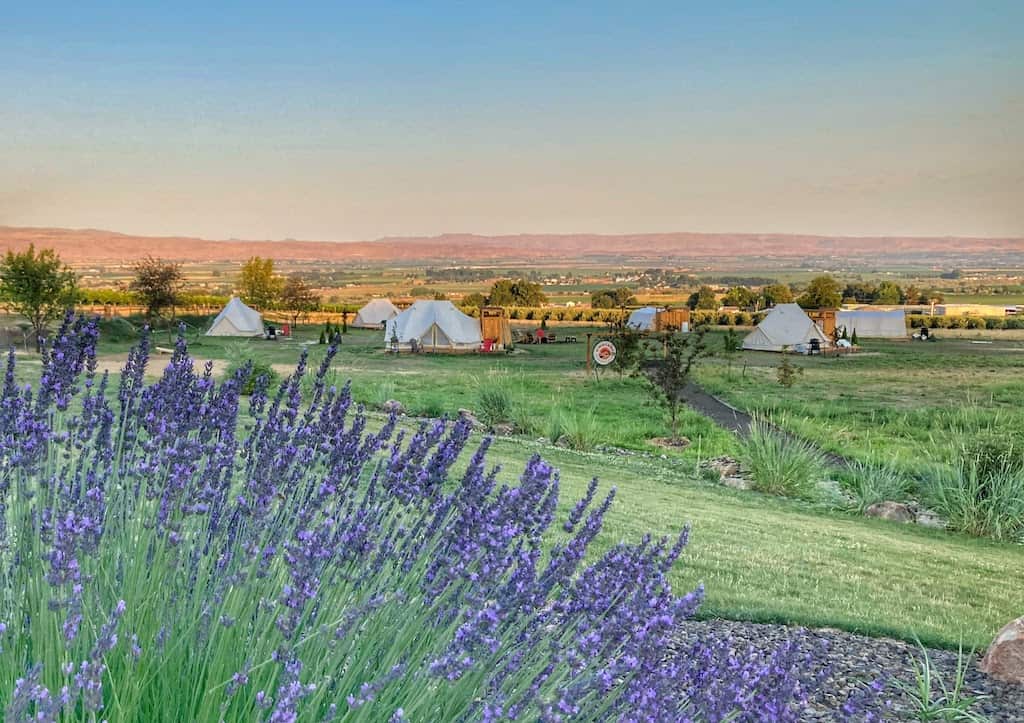
Here are some of the most popular booking sites for glamping tents, cabins, and treehouses in the US and around the world.
- Hipcamp: Hipcamp is a unique platform that matches landowner hosts with campers across the United States. Not all listings are glamping properties — some are campsites on undeveloped land, but you can search based on the location and the type of property you’re looking for.
- Glamping Hub: a comprehensive listing site featuring properties in more than 80 countries across six continents. Glampers can search by location or accommodation type, including campervans, yurts, tipis, and tents.
- Airbnb: We find a lot of cool glamping properties on Airbnb, and there is a new feature on the home page that lets you quickly find interesting properties like treehouses, domes, cabins, and tiny homes.
What to Look for When Choosing Your Next Glamping Spot
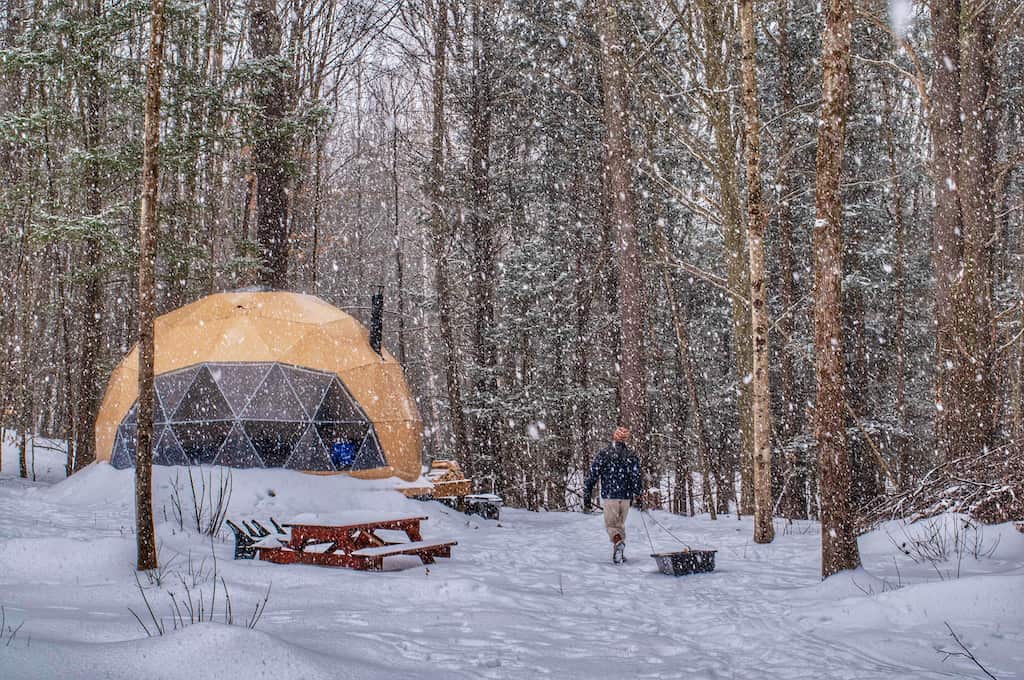
All glamping rentals are not created equal, so it’s important to read each listing carefully to ensure you’re getting the most for your money.
Find out exactly what is included and what isn’t. Many properties include a wood stove (for heat), linens, cookware, and cleaning supplies, while other properties are more bare bones.
You should also check for extra costs that may be tacked on, such as housekeeping, pet, activity, and cancellation fees.
Types of Glamping Accommodations
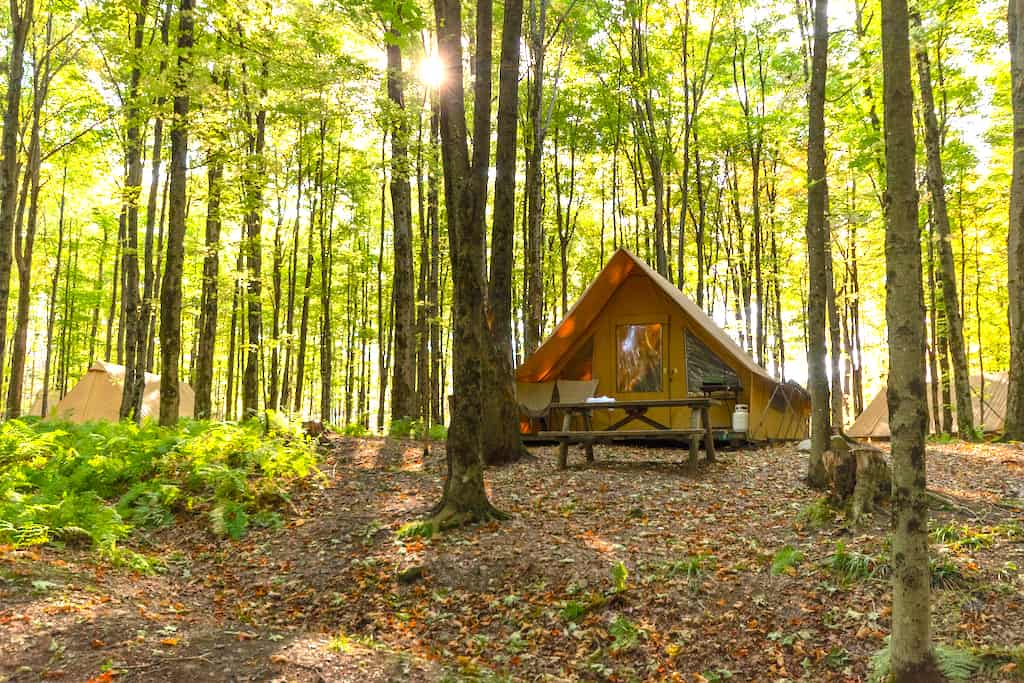
- Glamping Tents: The most iconic glamping structure is the canvas tent. It’s big enough for a bed, a few chairs, and sometimes a wood stove, but you usually have to do your cooking and washing outside or in a main bathhouse. Safari tents are bigger and often divided into multiple rooms with more headspace.
- Yurts: Yurts originated in Mongolia. They are round, wooden-framed structures with a domed roof and fabric walls. Luxurious yurts can have electricity, kitchens, private bathrooms with hot showers, and sleeping lofts with comfortable beds, while more rustic yurts provide a bed and other essentials for camp life. Many state and national parks are using yurts to expand their camping accommodations.
- Tipis: Tipis are closer to traditional tents than other glamping structures. They are usually small, which makes them easy to heat and cool. They will often include a bed and a few other pieces of furniture.
- Treehouses: The sky’s the limit when it comes to glamping treehouses. Some are so elaborate that you scarcely feel like you’re camping at all. They may have several rooms, plumbing, electricity, air conditioning, and full kitchens. Or, they may not.
- Camping Cabins and Tiny Homes: Camping cabins have existed since before glamping was even a thing. They often include wooden bunks and some source of heat for winter use. Tiny homes usually have all the modern conveniences of home, just in a small package.
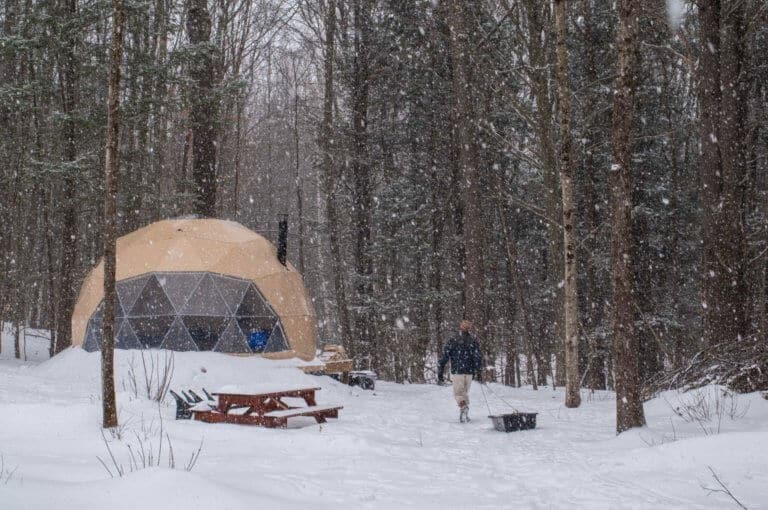
- Geodesic Domes: We stayed in our first geodesic dome in 2020, and we fell in love! Dome glamping is very popular in Canada and is catching on in the United States. Some domes have creature comforts like kitchens and bathrooms with indoor plumbing and flush toilets, while others are more basic.
Glamping 101 Tips: What to Pack
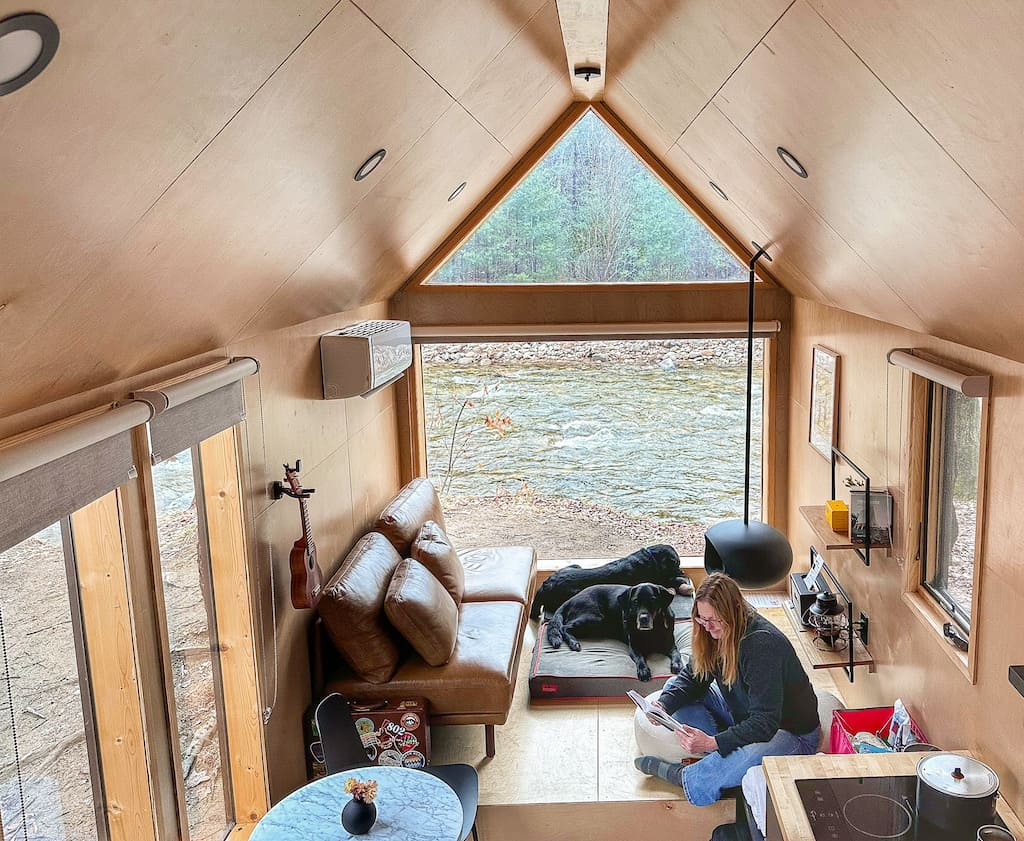
While luxury camping isn’t as gear-intensive as regular camping, there are still some glamping essentials you won’t want to be without. After carefully reading the listing, here are the things we usually pack for every glamping trip.
- Headlamps: one for each family member, with extra batteries.
- Bedding and towels: You will often need to bring your own bed linens. If you are unsure, check with the glamping facility.
- Water: Does your glamping rental have indoor plumbing? If not, be sure to bring water for drinking and washing up.
- Cooking gear: Again, what you need will depend on your accommodations. Is there a kitchen? If not, you will need cooking gear — a camp stove, pots and pans, a cutting board and knife, plates, bowls, mugs, and cutlery.
- A cooler with ice: your rental has a refrigerator.
- A lantern
- Clothes suitable for outdoor adventures: Pack raincoats, boots, and warm socks, just in case.
- Toiletries and a first aid kit
- Cleaning supplies: dish soap, washcloths, towels, trash bags
- Sunscreen and bug spray
- Food and drink: Plan your camp food in advance, and don’t forget snacks, condiments, spices, and cooking oil.
- Games, crafts, instruments… for the best camping experience indoors or out.
What you Think You’ll Need but Probably Won’t
It can be tempting to overpack when you head out on your glamping adventure. Remember, the point is to make your trip easier and more luxurious than camping. Always check your listing to see what is included with your stay, but the following things probably won’t be necessary:
- Sleeping Mat or air mattress
- Sleeping Bag
- Camp Chair
- Saw and/or hatchet
What You Don’t Think You’ll Need But Probably Do
These little necessities are often forgotten, but they’ll be useful on your next glamping trip:
- French press or portable coffee maker
- Corkscrew
- Tablecloth
- Aluminum foil and zip-top baggies
- Newspaper and matches for starting your fire
- Board games, crafts, and activities for rainy days indoors
Glamping is a unique and fun way to embark on outdoor adventures—it combines the magic of camping with the luxuries of home.
Glamping destinations we love:
- A Perfect Glamping Weekend in Lake George, New York
- A Perfect Weekend Getaway in the Eastern Townships of Québec
- The Most Incredible Glamping in New England
- Stay in a Geodesic Dome in Putney, Vermont
Follow us on social media for more outdoor inspiration!